Data Centers: Building the Digital Infrastructure That Powers Modern Business
Every online search, cloud application, video stream, AI platform, and business system relies on one critical piece of infrastructure: the data center.
As demand for cloud computing, artificial intelligence, and digital storage continues to grow, companies are investing billions of dollars in new data center construction projects across the United States. These highly specialized facilities require extensive planning, skilled trades, and rigorous safety oversight throughout every phase of construction.
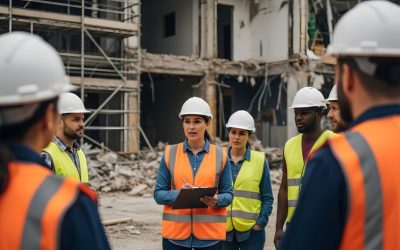
For contractors, developers, and project owners, successful data center construction depends on maintaining safe worksites while coordinating large teams of specialized workers. This has increased demand for construction safety staffing, project-based safety staffing, and experienced on-site safety professionals who can support compliance and reduce workplace risks on complex projects.
What Is a Data Center?
A data center is a facility designed to house computer systems, servers, networking equipment, and supporting infrastructure that store, process, and distribute digital information.
Data centers power everything from business applications and cloud storage platforms to streaming services, financial systems, healthcare networks, and artificial intelligence technologies. Because these facilities operate around the clock, they require highly reliable electrical systems, cooling infrastructure, communication networks, security controls, and backup power systems.
Modern data centers are often built to support thousands of servers and must maintain continuous uptime. Even a brief disruption can impact business operations, making design, construction quality, and operational safety extremely important.
What Does It Take to Construct a Data Center?
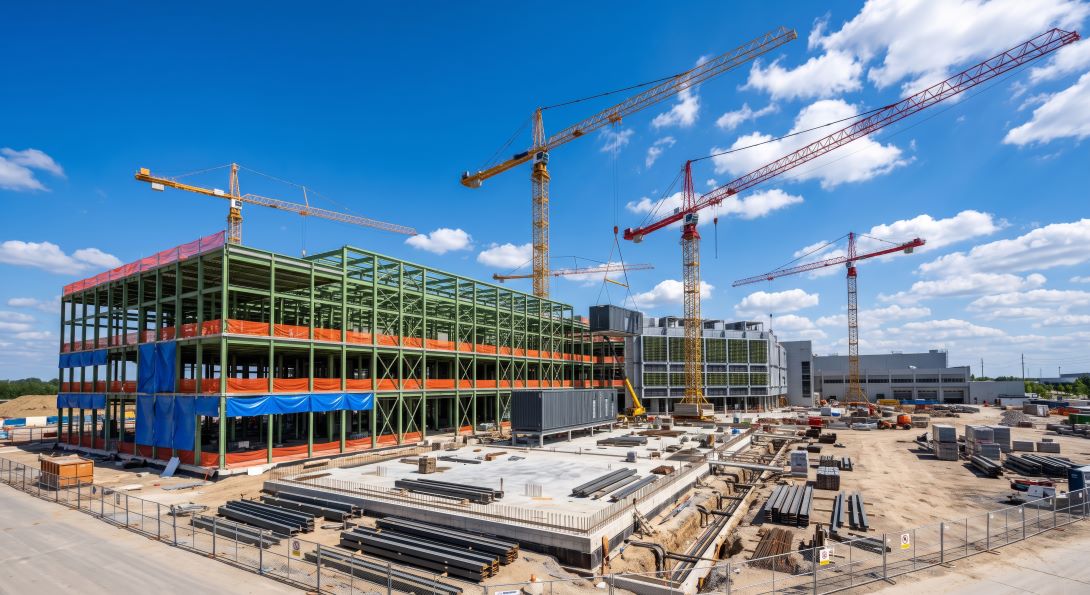
Data center construction is significantly more complex than a traditional commercial building project. These facilities require specialized engineering and highly coordinated construction teams to ensure systems operate safely and reliably.
A typical data center construction project may include:
Site Development
Construction begins with land preparation, utility installation, grading, drainage systems, and access roads. Developers often select locations based on power availability, connectivity, and future expansion opportunities.
Structural Construction
The building shell must support substantial equipment loads while providing security and environmental protection. Concrete foundations, structural steel, roofing systems, and building envelopes are carefully designed to meet specific operational requirements.
Electrical Infrastructure
Electrical systems represent one of the largest components of any data center project. Construction teams install:
- High-voltage utility connections
- Switchgear and substations
- Uninterruptible power supplies (UPS)
- Backup generators
- Battery storage systems
- Distribution systems
These systems ensure the facility can maintain uptime even during utility outages.
Mechanical and Cooling Systems
Servers generate significant heat, making cooling infrastructure essential. Contractors install sophisticated HVAC systems, chillers, cooling towers, piping systems, and environmental controls designed to maintain ideal operating conditions.
Network and Technology Systems
Fiber optic infrastructure, communications networks, monitoring systems, servers, and security systems are integrated throughout the facility to support operations.
Commissioning and Testing
Before becoming operational, data centers undergo extensive testing to verify that electrical, mechanical, cooling, and backup systems perform as designed.
The complexity of these projects often requires contractors to scale safety teams for projects and bring in experienced field safety oversight professionals to maintain compliance throughout each construction phase.
What Trades Commonly Work on Data Center Projects?
Data center construction relies on a wide range of skilled trades working simultaneously throughout the project lifecycle.
Some of the most common trades include:
Electricians
Electricians play one of the most critical roles in data center construction. They install power distribution systems, generators, switchgear, substations, UPS systems, lighting, and control systems.
Pipefitters and Plumbers
Cooling systems require extensive piping networks to support HVAC equipment, chillers, and water distribution systems throughout the facility.
HVAC Technicians
HVAC specialists install and maintain the cooling infrastructure necessary to regulate temperatures and ensure system performance.
Ironworkers
Ironworkers erect structural steel frameworks and support systems that form the backbone of the facility.
Concrete Specialists
Concrete contractors construct foundations, equipment pads, structural slabs, and other critical infrastructure designed to support heavy equipment loads.
Fiber Optic and Low-Voltage Technicians
These professionals install communications systems, network infrastructure, security systems, and data cabling throughout the facility.
Equipment Operators
Heavy equipment operators assist with excavation, grading, site preparation, material handling, and utility installation.
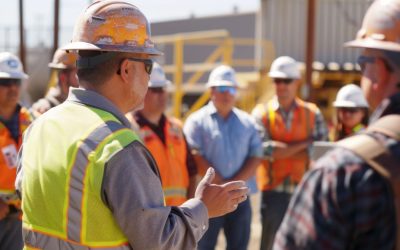
With multiple trades working simultaneously in a high-risk environment, many contractors turn to safety staffing services for construction companies to provide the additional oversight needed to support safe operations and maintain project schedules.
Top Construction Safety Concerns on Data Center Projects
While data centers present many of the same hazards found on other large construction projects, they also introduce unique risks because of their electrical and mechanical complexity.
Electrical Hazards
Electrical work represents one of the most significant safety risks during data center construction.
Potential hazards include:
- Energized equipment
- Arc flash exposures
- Temporary power systems
- High-voltage installations
- Generator commissioning activities
Proper planning, lockout/tagout procedures, and qualified safety oversight are essential to reducing risk.
Fall Protection
Workers routinely perform tasks at elevated heights while installing structural steel, roofing systems, mechanical equipment, and cable trays.
Effective fall prevention measures include:
- Guardrails
- Personal fall arrest systems
- Leading-edge protection
- Proper training and supervision
Material Handling and Equipment Movement
Large projects involve constant movement of construction materials, generators, switchgear, cooling equipment, and structural components.
Key concerns include:
- Struck-by hazards
- Caught-between incidents
- Crane operations
- Rigging activities
- Forklift traffic
Heat Stress and Environmental Conditions
Data center projects often involve substantial outdoor work during site preparation and building construction phases. Workers may be exposed to high temperatures, humidity, and physically demanding conditions.
Safety programs should address:
- Hydration
- Rest breaks
- Heat illness prevention
- Environmental monitoring
Contractor Coordination
Data center projects frequently involve dozens of subcontractors working simultaneously in confined spaces.
Without proper coordination, hazards can increase significantly due to:
- Overlapping work activities
- Incomplete hazard communication
- Changing site conditions
- Conflicting schedules
This is why many organizations utilize temporary safety staffing, construction site safety staffing solutions, and OSHA-compliant safety staffing resources to help ensure consistent safety program coverage throughout the project lifecycle.
The Growing Need for Data Center Safety Staffing
As data center construction continues to expand nationwide, demand for experienced safety professionals is rising alongside it. Contractors need qualified safety personnel who can support compliance efforts, conduct site inspections, facilitate training, and help reduce workplace safety risks without slowing project progress.
Whether supporting a short-term build or a multi-year construction program, data center safety staffing, project-based safety staffing, and nationwide safety staffing services allow companies to quickly access vetted safety professionals who understand complex construction environments.
The right safety professionals help organizations maintain compliance on job sites, strengthen safety culture, improve workforce safety performance, and keep projects moving forward safely and efficiently.
Final Thoughts
Data centers have become essential infrastructure for today’s digital economy, but constructing them requires far more than concrete, steel, and technology. These projects demand highly skilled trades, careful coordination, and strong safety leadership from start to finish.
As data center construction continues to accelerate across the country, contractors that invest in qualified safety professionals will be better positioned to reduce workplace safety risks, maintain compliance, and support successful project outcomes. Whether you need a single safety representative or an entire project safety team, having access to experienced safety talent can help strengthen job site performance, support compliance efforts, and keep complex projects moving forward safely. Sheakley helps organizations connect with qualified safety professionals who understand the unique demands of high-risk construction environments, including data center projects.